Article: A Complete Guide to Cycling in Singapore
A Complete Guide to Cycling in Singapore
Cycling in Singapore has grown from being just a leisure activity into one of the most enjoyable and practical ways to get around the island. Whether you’re commuting, exploring, or simply looking to stay active outdoors, Singapore offers one of the best environments for cyclists — scenic routes, dedicated park connectors, and a growing culture that embraces two wheels.
If you’ve been meaning to hop on a bike and explore, this guide covers everything you need to know: from the best routes to what to wear, what to bring, and how to stay safe on your rides.
Why Cycling in Singapore Is So Popular
Singapore may be small, but it’s impressively well connected for cyclists. The Land Transport Authority (LTA) has developed over 700 kilometres of cycling paths and park connectors, linking neighbourhoods, parks, and attractions across the island. The goal is to make cycling a key part of daily transport and recreation — and it’s working.
Beyond convenience, cycling offers something we all crave: a sense of freedom. It’s a way to escape traffic jams, feel the breeze, and see the city from a new perspective. You can start at the park near your home and end up by the sea or in the middle of lush greenery within an hour.
It’s also a perfect way to stay active. With Singapore’s year-round warm weather, you don’t need special seasons for outdoor exercise — just the right mindset and a bit of sunscreen.
Choosing the Right Bike
The kind of bike you ride depends on where and how you plan to cycle:
-
City or Hybrid Bikes: Best for casual rides, park connectors, and short commutes. They’re upright, comfortable, and stable — perfect for new riders.
-
Road Bikes: Built for speed and long-distance rides. Lightweight frames and narrow tyres make them ideal for smooth roads or the Round Island Route.
-
Mountain Bikes: Great for off-road tracks like Bukit Timah Nature Reserve or uneven terrains. They provide more grip and control on rugged paths.
-
Folding Bikes: Perfect for commuters. You can fold them and bring them on the MRT or store them in small apartments easily.
Whichever bike you choose, make sure it’s properly fitted to your height, well-maintained, and equipped with front and rear lights. A comfortable seat, reliable brakes, and properly inflated tyres can make all the difference between a great ride and a tiring one.
What to Wear When Cycling in Singapore
Singapore’s weather is hot, humid, and occasionally unpredictable — so dressing right makes your ride more comfortable.
Go for lightweight and breathable fabrics
Choose moisture-wicking materials that help sweat evaporate quickly. Avoid cotton, as it tends to stay damp and cause discomfort.
A fitted top helps prevent fabric from flapping in the wind, while cycling jerseys with back pockets let you carry essentials easily.
Choose bottoms that move with you
Padded cycling shorts are great for longer rides as they reduce friction and pressure. For casual rides, stretchable leggings or athletic shorts work perfectly — look for ones with flat seams and a snug but comfortable fit.
Add sun protection
Singapore’s UV index can soar, even on cloudy days. A lightweight long-sleeve top, sunscreen, and UV-blocking sunglasses will protect you from sunburn and glare. A visor or cap under your helmet can also help shield your face.
Footwear matters
Opt for closed-toe shoes with good grip — running shoes, sneakers, or cycling-specific shoes. Avoid sandals or slippers; they can slip off easily and offer no protection.
Safety first
A helmet is a must — it’s required by law when riding on roads and strongly recommended for park connectors. Reflective elements on your clothing or accessories will also help keep you visible during dawn or night rides.
What to Bring on Your Ride
Cycling light is the way to go, but there are a few essentials you shouldn’t leave behind:
-
Water bottle: Hydration is key. Bring at least one bottle, and refill at public stations along major parks.
-
Towel and wet wipes: Singapore’s humidity means you’ll sweat. Wipes or a small towel help you freshen up post-ride.
-
Snacks: Energy bars or small bites are great for longer routes or when you need a quick energy boost.
-
Phone and portable charger: For navigation, emergencies, or just capturing that perfect shot of the skyline.
-
Cash card or e-wallet: Some park connectors end near cafes or food spots — perfect for a drink break.
-
Mini repair kit: A small tool set, spare tube, and portable air pump can save you from getting stranded.
-
Rain poncho: Sudden showers happen often. A compact poncho or waterproof jacket can make a huge difference.
If your outfit has secure pockets, it’s even better — less need for bulky bags. For longer rides, consider a compact waist pouch or cycling backpack to keep things organized.
Top Cycling Routes to Explore
There’s something for every kind of cyclist — from casual park rides to serious long-distance routes. Here are some of the best places to explore:
a) East Coast Park (ECP)
One of the most iconic cycling spots in Singapore, East Coast Park offers about 15 km of scenic coastal paths. You’ll ride alongside the beach, under swaying coconut trees, with plenty of food and rest stops along the way. It’s perfect for both solo rides and family outings.
Highlights: Sea breeze, sunset views, and pit stops at the hawker centre or café pods.
b) Marina Bay Loop
For a stunning urban route, cycle around Marina Bay. This 11 km loop passes iconic sights like the Helix Bridge, Gardens by the Bay, and the Marina Barrage. Best enjoyed in the evening when the skyline lights up.
Highlights: Smooth paths, breathtaking night views, great for short evening rides.
c) Punggol Waterway Park to Coney Island
This northern route offers beautiful riverside views and a quiet escape from the city. The path is mostly flat, making it beginner-friendly. You can explore Coney Island’s rustic charm and spot wildlife along the way.
Highlights: Nature, calm atmosphere, Instagram-worthy spots.
d) Southern Ridges & Labrador Park
A slightly more challenging ride that takes you through elevated bridges, greenery, and panoramic views. Start from Mount Faber, ride through the Henderson Waves and Kent Ridge Park, and end at Labrador Nature Reserve.
Highlights: Lush forest views, hilly sections, and a rewarding workout.
e) The Round Island Route (RIR)
For experienced cyclists, the Round Island Route offers over 120 km of connected paths circling the island. It links East Coast Park, Changi, Seletar, Lim Chu Kang, and more. Completing it in one day is a real accomplishment — and a great way to see Singapore from end to end.
Highlights: Adventure, endurance, and the satisfaction of conquering the island.
7. Safety and Comfort Tips
Cycling in Singapore is generally safe, but it helps to stay prepared:
-
Check your bike before each ride: brakes, tyres, and lights.
-
Avoid peak pedestrian hours if riding on park connectors. Early mornings or evenings are ideal.
-
Keep hydrated and take breaks.
-
Avoid distractions: No earphones while riding — stay alert to surroundings.
-
Ride single file on narrow paths or when others are around.
-
At traffic crossings, dismount and push your bike if needed.
-
Plan your route ahead using Google Maps or the NParks “Coast-to-Coast Trail” app.
8. When Is the Best Time to Cycle in Singapore?
The best times to cycle are early morning (5:30–8 am) and late evening (5–8 pm) when the weather is cooler. Midday rides can get uncomfortably hot and humid.
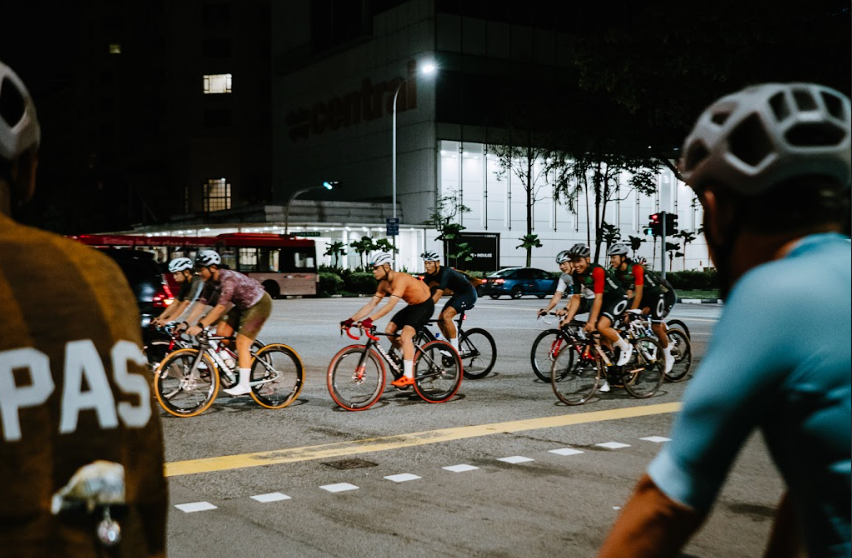
If you plan night rides, always bring working lights and reflective gear — even in well-lit areas, visibility is crucial. During rainy season (typically November to January), check forecasts and avoid heavy downpours or lightning warnings.
9. Making the Most of Your Ride
Cycling isn’t just about fitness — it’s a lifestyle. Take time to enjoy your surroundings. Stop for coffee, snap photos, or rest by a park bench.
After your ride, cool down and stretch — your legs, back, and shoulders will thank you. Gentle post-ride stretches help prevent stiffness and improve recovery.
If you ride often, consider joining a cycling group or community. There are plenty of local groups that organize weekend rides, safety workshops, and charity events. It’s also a great way to meet new people who share your passion for movement and the outdoors.